
The two names are said in one breath so often that most people assume they are the same kind of tycoon. They are not remotely. India's two biggest business houses were built on opposite logics, and the difference explains more about the Indian economy than either man's net worth does.
Reliance is a consumer empire. It started in petrochemicals and refining, but the move that defined it was Jio: make mobile data almost free, bring a nation online, then sell that nation everything from groceries to streaming. Few companies anywhere reach individual customers at this scale. Subsidise adoption, own the platform, monetise later — that is the whole playbook, executed with more patience than most rivals could afford.
One built a platform to reach every consumer. The other built the infrastructure the whole economy runs on.
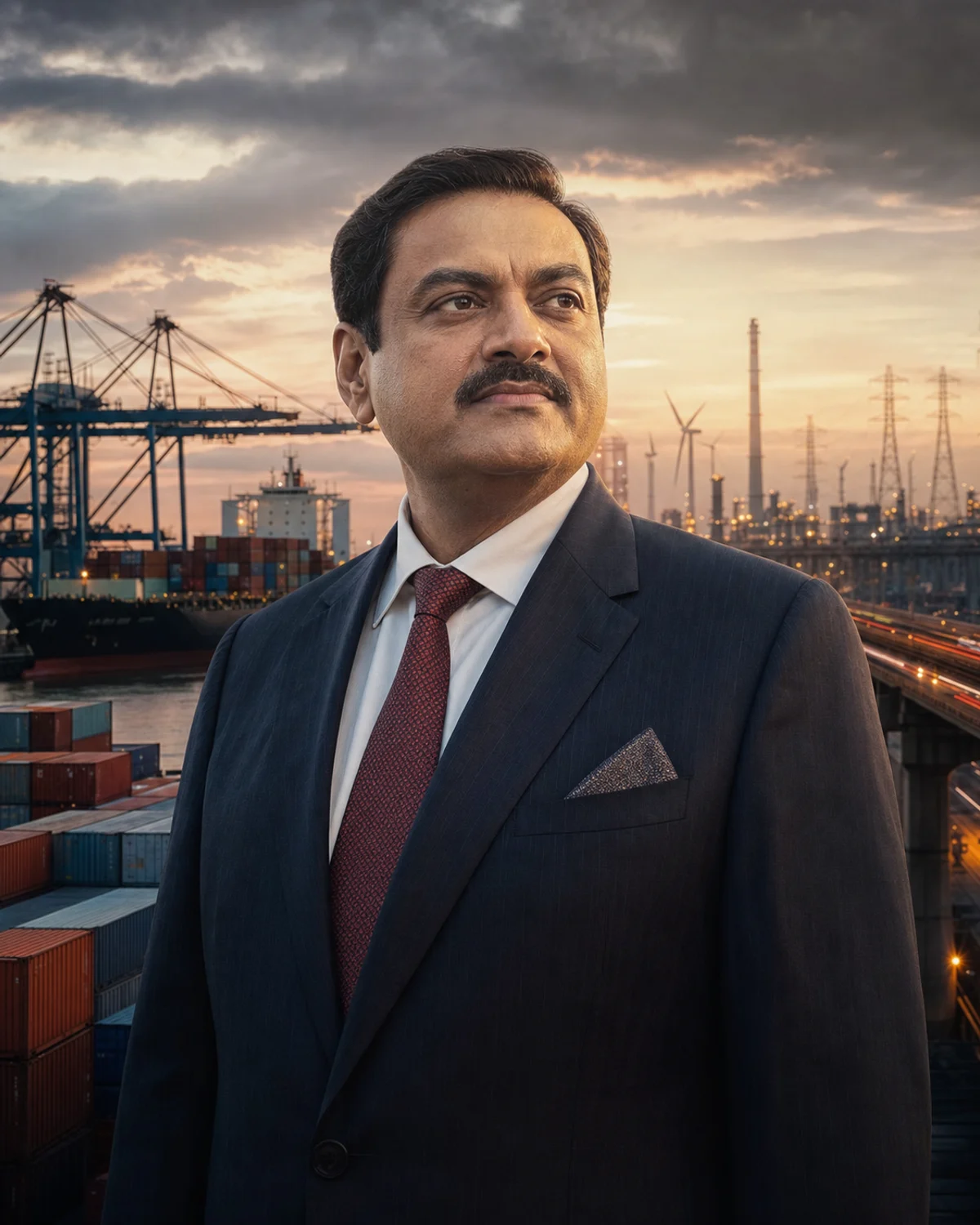
Adani went the other way and built the floor everyone else stands on. Ports. Airports. Power generation and transmission. A renewable programme large enough to matter nationally. His customers are rarely people; they are supply chains, utilities and governments that have no alternative to physical infrastructure. Move first, finance heavily, pick regulated sectors where execution beats branding.
For the first time the two are converging, most visibly in green energy, where both have committed enormous sums. That is a real rivalry between genuinely different temperaments — the platform builder against the operator. Their positions on the rich list will keep swapping. The contest that matters is which model ends up defining India's next decade.