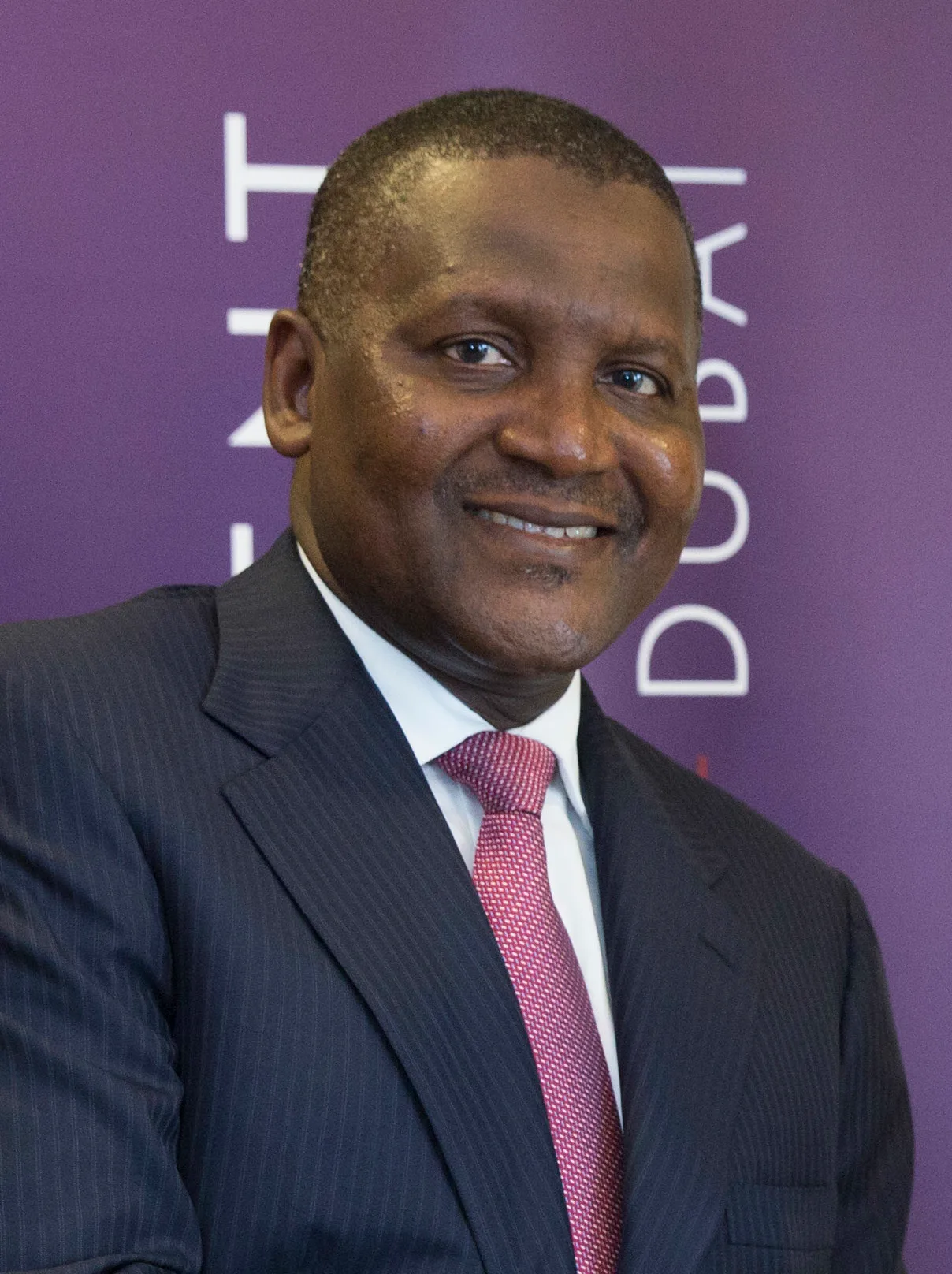
Cement, sugar, salt — the unglamorous essentials of a growing economy. Aliko Dangote built the Dangote Group around them until it became Africa's largest industrial conglomerate, and himself the continent's richest person.
The strategy was contrarian for its time and place. Africa exported raw material and imported the finished product; Dangote built the factories to do the finishing at home, on the bet that growth would reward whoever owned domestic capacity when the demand arrived.
While others exported raw materials, he built the factories to turn them into finished goods at home.
The largest expression of that is a refinery and petrochemical complex in Nigeria, among the biggest projects of its kind anywhere in the world. Its purpose is to end the absurdity of an oil-producing country importing its own fuel.
Whether or not every project lands, the thesis is coherent: Africa develops by industrialising rather than by extracting. Very few entrepreneurs are willing to attempt work of this scale and complexity on the continent, which is what makes him consequential well beyond his balance sheet.
Dangote was born in Kano in 1957 into a prominent trading family; his great-grandfather, Alhassan Dantata, was among the richest men in West Africa at the time of his death. He studied business at Al-Azhar University in Cairo and started trading in 1977 with a loan from an uncle, importing and distributing cement, sugar and rice before moving into manufacturing.
The cement business, now Dangote Cement, became one of Nigeria's most valuable listed companies and expanded into about ten African countries. The refinery at Lekki, near Lagos, has a design capacity of 650,000 barrels a day, which makes it the largest single-train refinery in the world. It began producing fuel in 2024 after years of delays and rising costs.
Dangote is also a significant philanthropist through the Aliko Dangote Foundation, which focuses on nutrition, health and education, and he has worked with the Gates Foundation on polio eradication in Nigeria. He has long argued that African countries should stop importing goods they could make themselves, and the refinery has put that argument to its biggest test.