
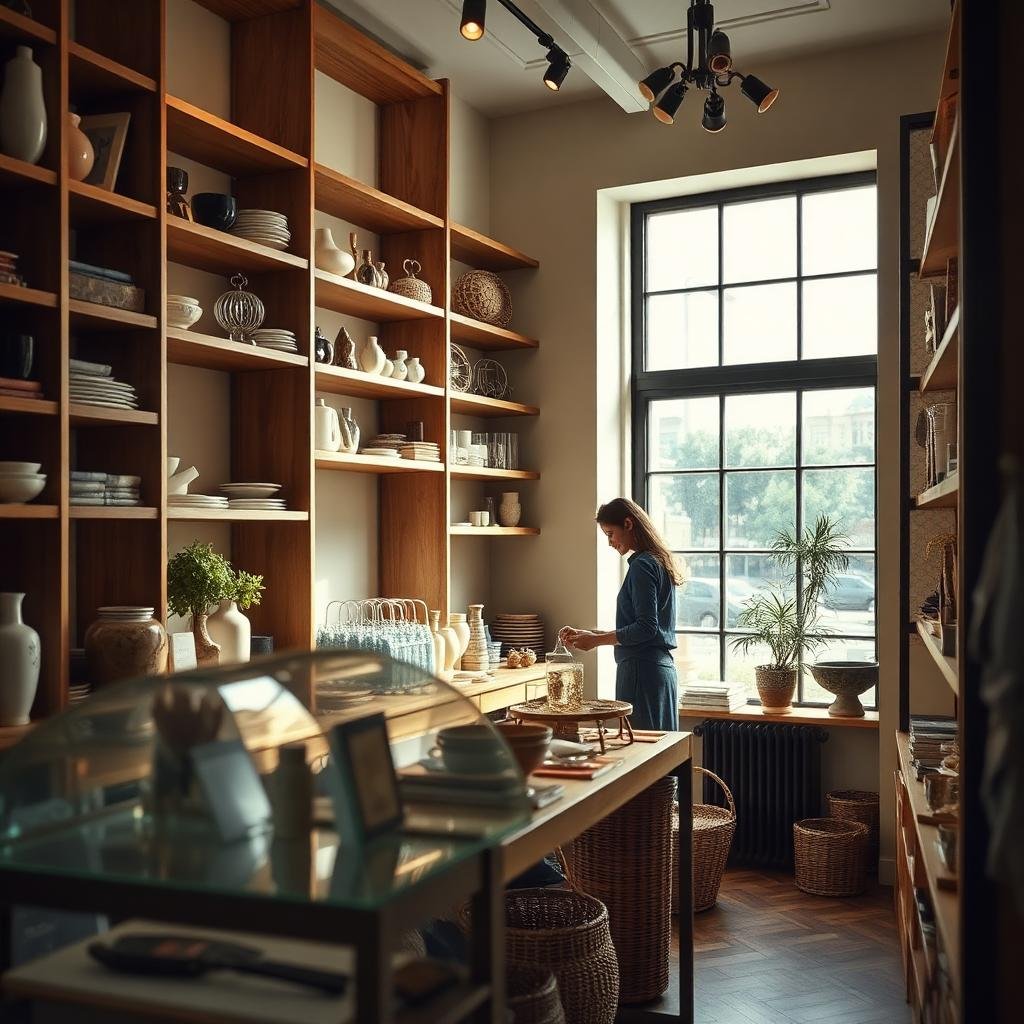
Walk through the side streets of any serious city in 2026 — Copenhagen, Lisbon, Bengaluru, Melbourne — and you'll find them again: the well-lit, well-curated, fiercely independent little shops that the last decade of e-commerce was supposed to have finished off.
They are not just surviving. They are, in many neighbourhoods, the most profitable square metres of retail on the block. And their owners, most of them under forty, are running lean, opinionated businesses that platform commerce simply cannot replicate.
A shop is a point of view. A platform is a warehouse. Customers finally know the difference.
The advantage is not price. It is editorial. A great shop is a point of view rendered in inventory — a filter the algorithm has never been able to imitate. Customers, saturated with infinite choice, are paying a premium for someone else's taste again.
The renaissance is quiet, distributed, and mostly missing from the trade press. But it is real, it is growing, and it is producing a new generation of small-business millionaires who never wanted to be anything other than shopkeepers.