
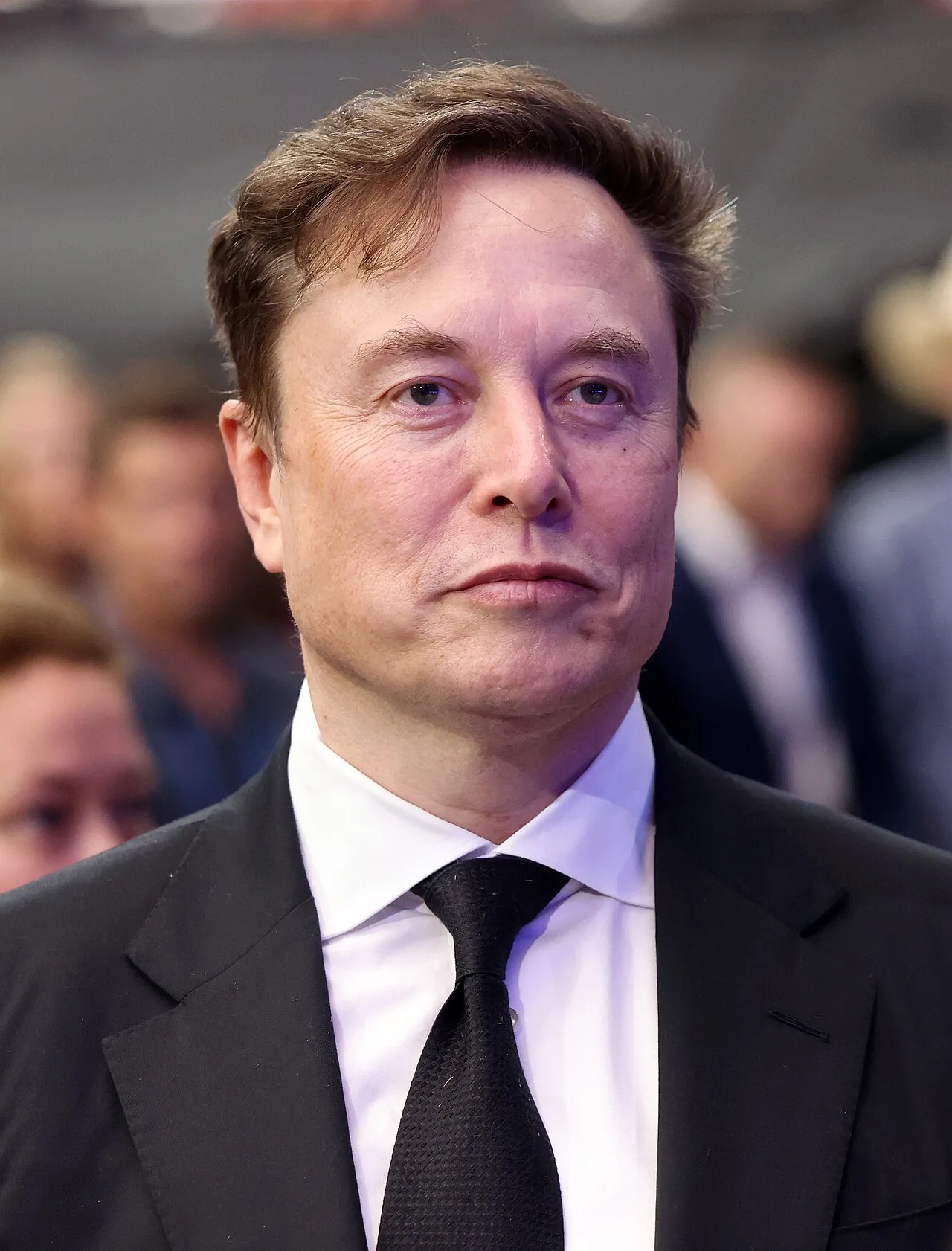
Cars and batteries. Rockets and satellite internet. An AI lab, a social network, a tunnelling company, and an attempt to wire computers into human brains. No other operator of this era runs a portfolio remotely like Elon Musk's, and few individuals have ever held this much industrial and cultural leverage at once.
Two of those bets landed hard. Tesla dragged the global car industry into electrification years ahead of its own plans and turned a niche manufacturer into one of the most valuable companies on earth. SpaceX did something arguably harder — made rockets reusable, put up the Starlink constellation, and took a commanding share of the world's orbital launches.
He runs his companies like options on the future: most expire worthless, but the winners rewrite an industry.
The method is a risk appetite that alarms boards. Timelines nobody believes, feuds conducted in public, and a readiness to stake the balance sheet on one technical leap working. It yields breakthroughs and scandals in roughly equal measure, often inside the same quarter.
Twitter is still the contested chapter. He bought it in 2022, renamed it X, and turned it into an expensive experiment in rebuilding a public square that half the public then left. One thesis runs under all of it: a handful of civilisational bets, pushed relentlessly, are worth more than a decade of predictable returns.