
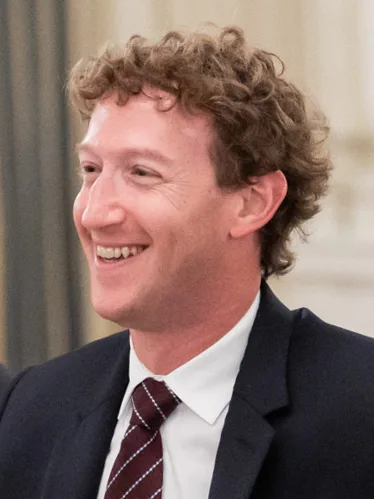
It started in a college dorm. Facebook, Instagram, WhatsApp, Messenger — Meta's platforms now reach billions of people and sit inside most of the world's conversation, commerce and politics, which is an unusual amount of influence for one founder to still control personally.
That control is the point. Holding the votes lets Zuckerberg make bets no board would approve, and in 2021 he made the biggest one: renamed the company Meta and committed billions a year to virtual reality. Years later the metaverse has not come close to earning that back.
Founder control is a double-edged sword: it lets you bet the company on the future, and forces everyone to live with the bet.
Then AI arrived and he turned the ship hard. Meta released open-weight models and spent enormous sums on AI infrastructure, which put it back in a race people had assumed it was losing — and made life awkward for competitors selling closed models at a price.
An efficiency drive won the investors back after a bad stretch. Two questions stay open. Whether the metaverse money ever justifies itself, and whether an advertising engine built for the old internet still works on one increasingly mediated by AI that Meta does not own.