
Ola launched in 2010 into a country where few people own a car and everybody needs to get somewhere cheaply. Bhavish Aggarwal co-founded it and it became one of the defining names of India's startup boom.
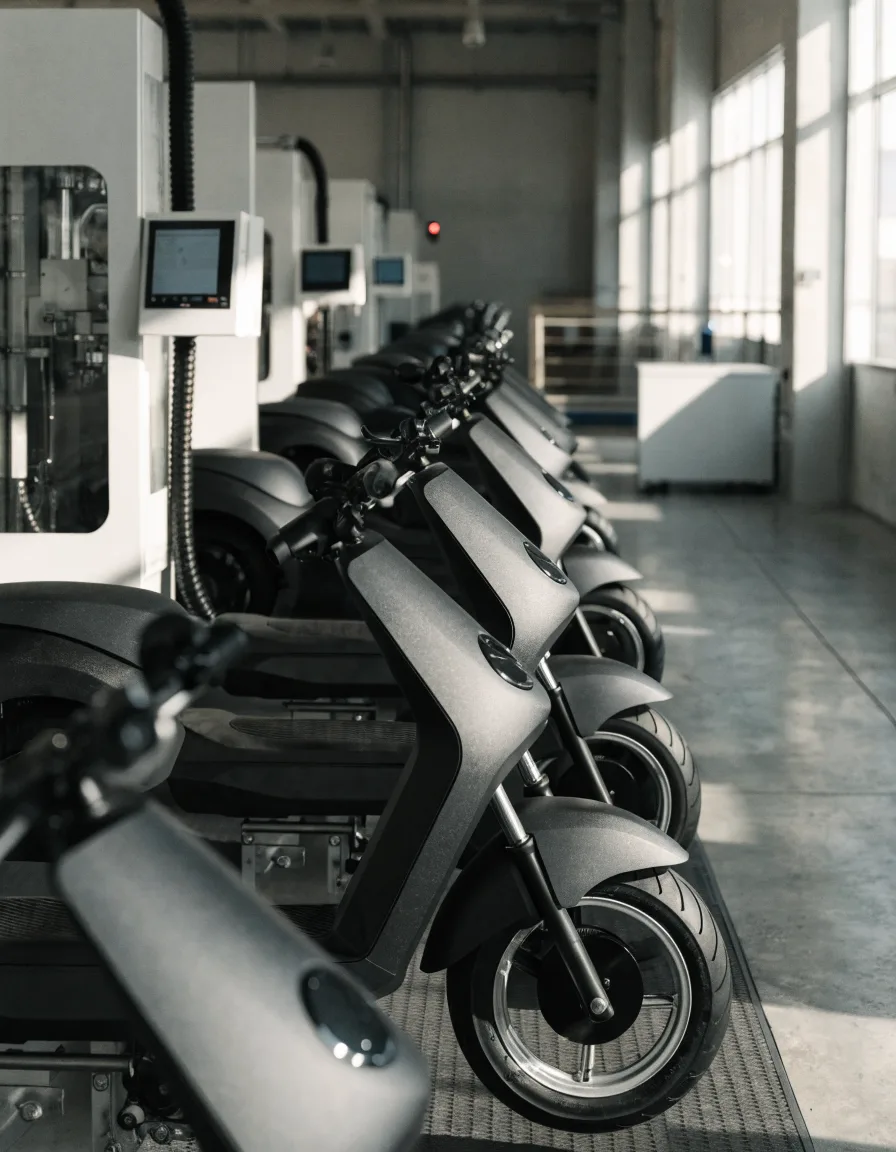
Then he picked a much harder fight. Ola Electric was an attempt to manufacture electric scooters at Indian scale and to build the battery and component supply chains domestically rather than import them — a manufacturing problem, not a software one.
He kept picking fights with entrenched industries — taxis, then legacy autos, then Big Tech's AI.
Krutrim came next: India-focused AI models and the computing infrastructure to run them, in a race where the competitors have budgets larger than most Indian companies are worth.
A pattern runs through it. He keeps choosing entrenched incumbents and capital-hungry industries — taxis, then legacy carmakers, then Big Tech. None of the bets are settled yet, and the combination makes him the most closely watched and most combative founder in the country.
Aggarwal studied computer science at IIT Bombay and worked at Microsoft Research in Bengaluru before starting Ola with Ankit Bhati in 2010. The company began by aggregating outstation taxi bookings, moved to app-based rides, and added auto-rickshaws and motorbikes, which suited Indian streets and incomes better than cars. It took ride-hailing to Australia, New Zealand and the United Kingdom before pulling out of those markets in 2024.
Ola Electric's scooter plant, the Futurefactory in Krishnagiri, Tamil Nadu, began production in 2021, and the company listed on the Indian exchanges in August 2024. Its share of the electric two-wheeler market later fell sharply amid customer complaints about service and stronger competition from Bajaj, TVS and Ather, and it faced scrutiny from consumer protection authorities over after-sales service.
Krutrim, founded in 2023, became India's first AI start-up valued at a billion dollars after a funding round in early 2024. Aggarwal has used it to argue for AI models trained on Indian languages and running on domestic computing infrastructure, a cause he presents as a matter of national capability as much as commerce.