
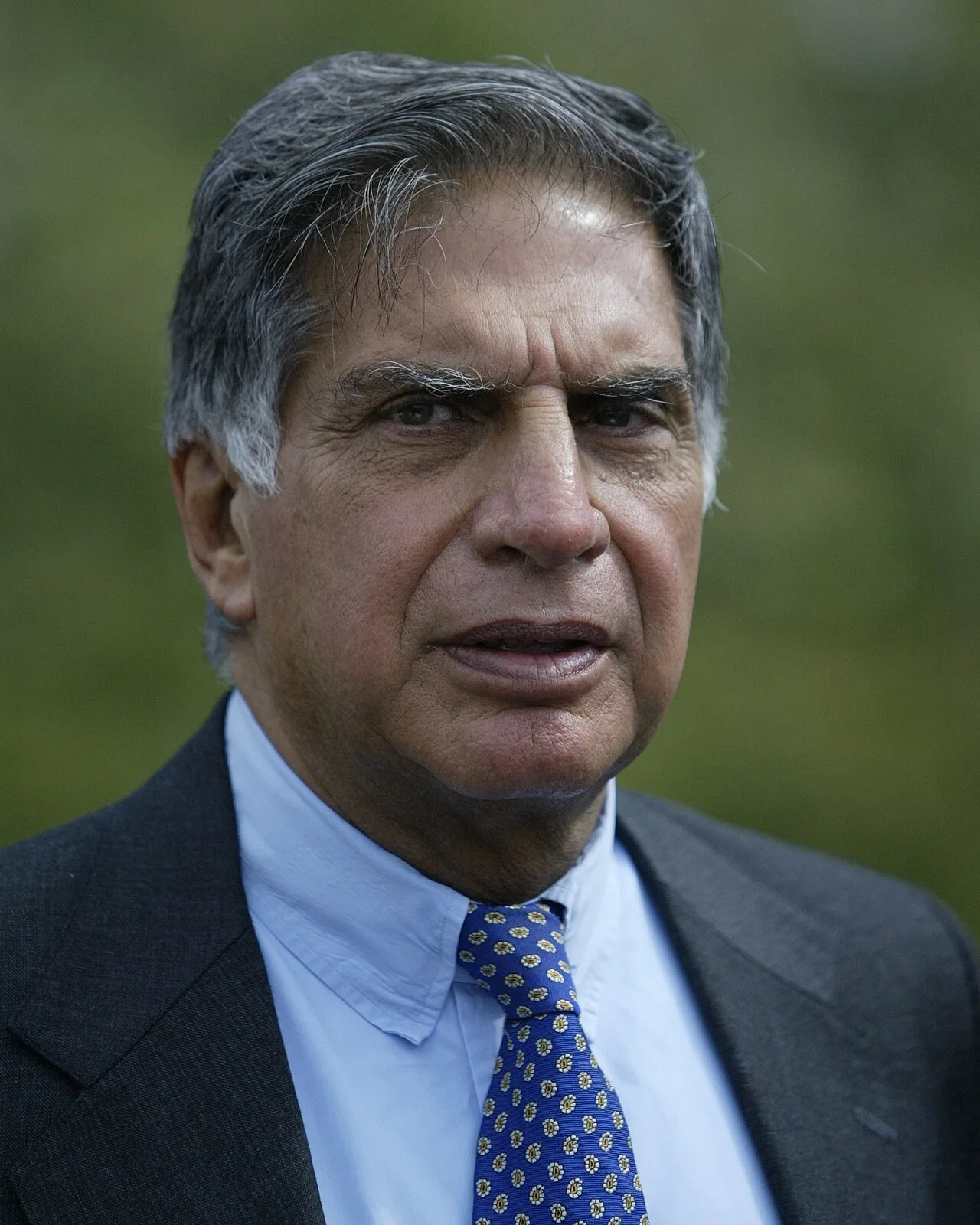
He ran the Tata Group for more than two decades and died in 2024. What Indians remember first is not the scale of the ambition but the fact that nobody seriously questioned his integrity, which in a business career that long is close to unheard of.
The century-old salt-to-software conglomerate went global under him. Tetley, Corus, Jaguar Land Rover — an Indian company buying British icons, which upset a certain kind of commentator considerably. He also pushed the Nano, a serious attempt to build a car cheap enough for a family currently riding a scooter. It did not work commercially. It was still worth trying.
He measured success not only in market value, but in whether the institution deserved the country's trust.
The structure underneath is what made him unusual. Philanthropic trusts hold a large share of the group, so a meaningful slice of the profit goes to education, healthcare and research by design rather than goodwill. He said business owes the country something, and then arranged the ownership so it had to.
He lived modestly, skipped the billionaire theatre almost entirely, and spent his later years mentoring founders half his age. In an era of extremely loud wealth, that quiet is the part younger Indian entrepreneurs still say they want to copy.