
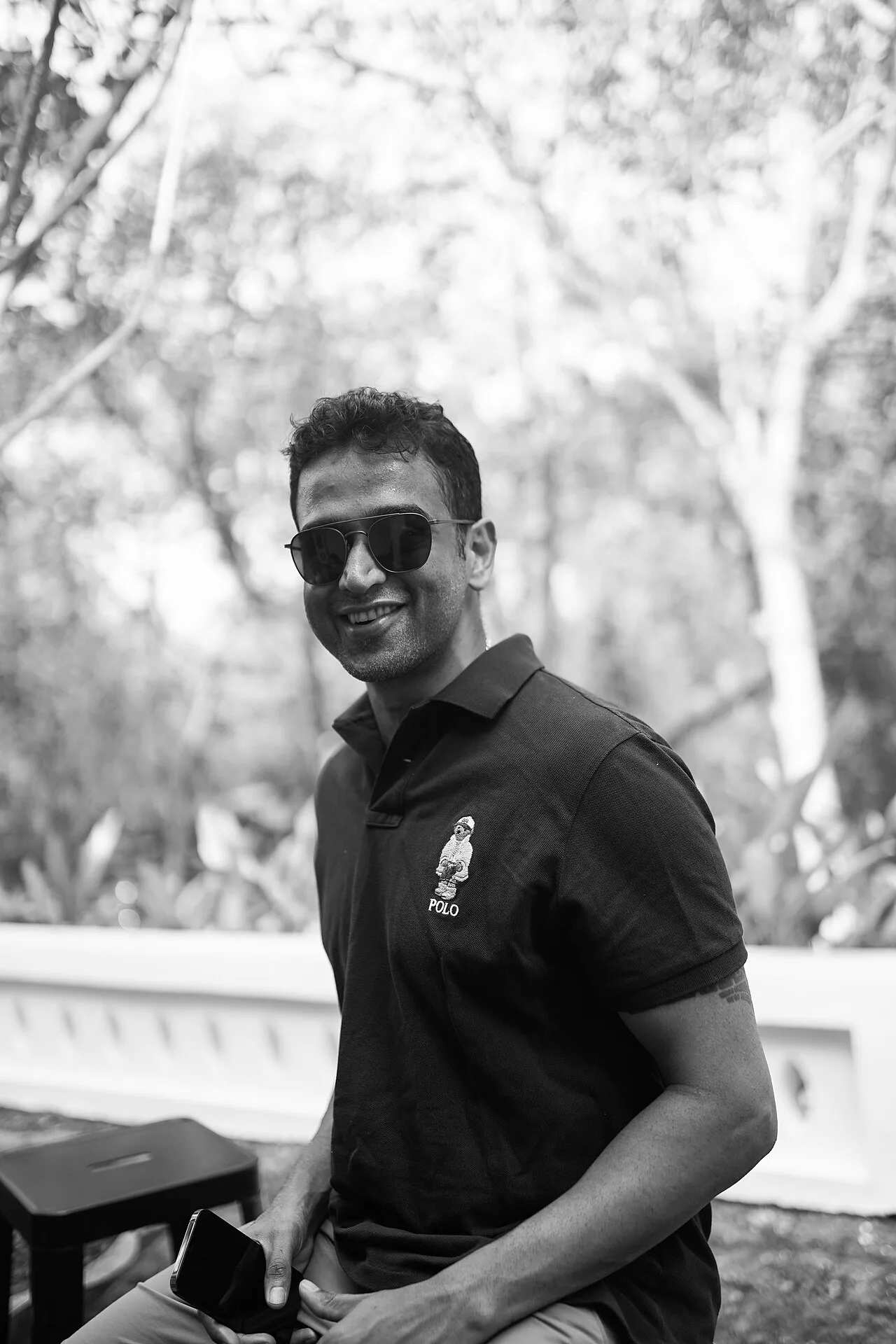
Indian investors were paying steep commissions on every trade in 2010. Nithin Kamath and his brother Nikhil founded Zerodha that year on a flat, low fee — the bet being that cheap access would bring in a market many times larger than the one being milked.
It worked. Zerodha became India's largest retail stockbroker by active clients, with Kite for trading and Coin for mutual funds pulling in a wave of first-time investors. None of it was funded by venture capital. Not a rupee.
He built one of India's most profitable startups by breaking the one rule everyone follows: he never raised a rupee.
That bought freedom most founders never get. The company stayed profitable, ignored the growth-at-all-costs pressure its funded rivals lived under, and put money into Varsity, which teaches ordinary Indians how markets actually work.
The interesting part is what he says about the boom he helped create. Kamath has warned retail investors openly about speculation and derivatives — telling his own customers to trade less. Commercial success plus public caution is why he is among the most credible voices in Indian fintech.
Kamath began trading as a teenager and spent years as a trader and sub-broker before Zerodha, an experience he has said convinced him that retail investors were badly served. The name joins 'zero' with 'rodha', the Sanskrit word for barrier. Zerodha started with a flat fee on intraday and derivatives trades and in 2015 dropped brokerage on equity delivery trades altogether, which forced the industry to rethink its pricing.
The company built an investment ecosystem around the trading platform. Rainmatter, its fintech fund and incubator, has backed start-ups such as Smallcase and Sensibull, and the group has since moved into climate and health investments. In 2023 Zerodha received regulatory approval for an asset management venture with Smallcase, entering the mutual fund business it had long distributed for others.
Kamath has also been unusually open about his own health and the business. He disclosed a mild stroke in early 2024 and returned to work within weeks. His regular posts on market activity, including the fall in trading volumes after SEBI tightened rules on equity derivatives in late 2024, have made him one of the few brokerage heads whose public commentary often cuts against his own short-term interest.