
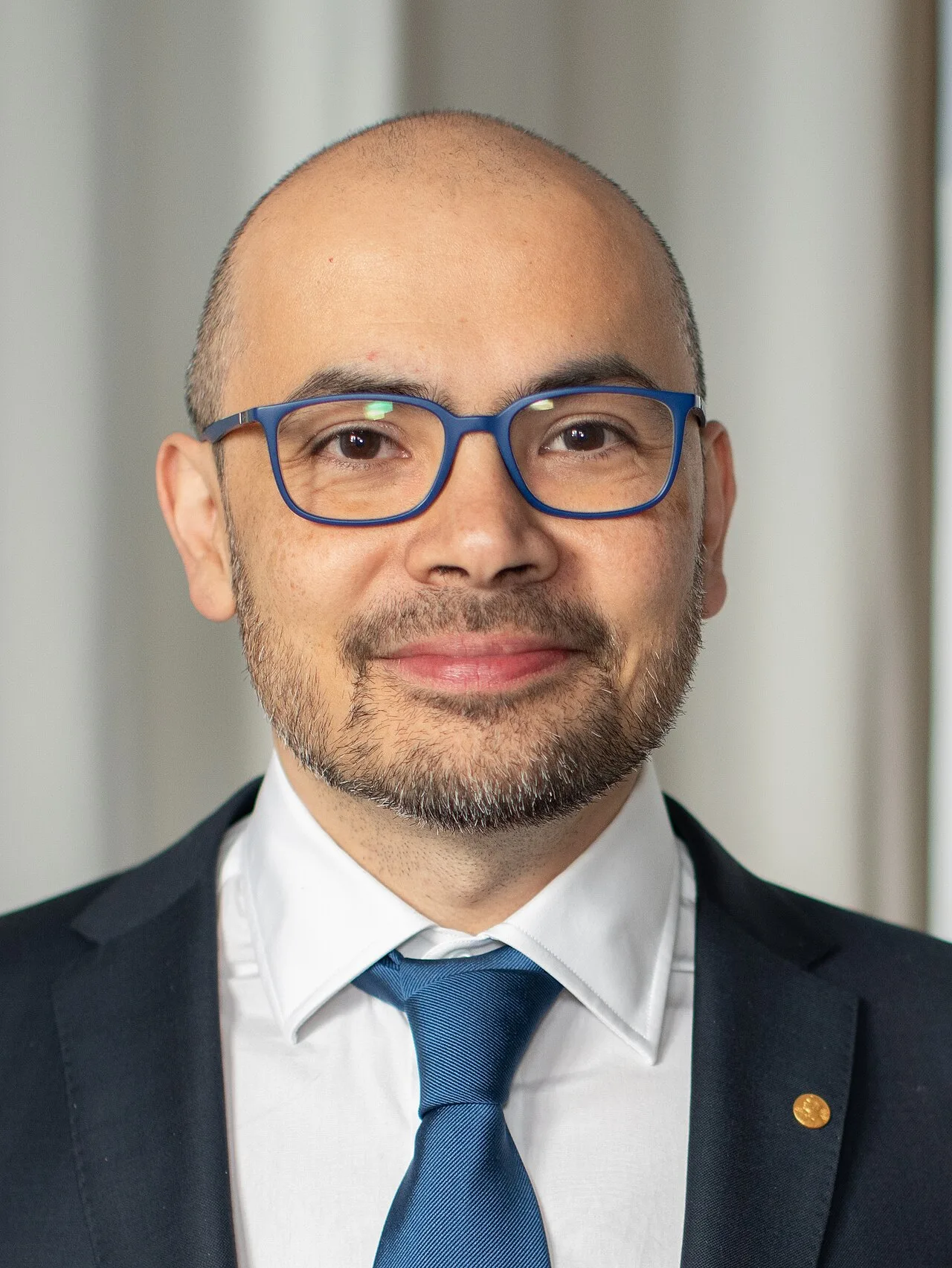
Chess prodigy, then video-game designer, then something considerably stranger. Demis Hassabis co-founded DeepMind in 2010 to build artificial intelligence for the purpose of advancing science. Google bought the lab, and it became the centre of the company's AI work.
AlphaGo is what made the world pay attention. It beat a world champion at Go, a game whose complexity had convinced most experts that machine victory was still years off. They were wrong by a decade.
His ambition was never just to build clever machines, but to use them to accelerate science itself.
The breakthrough that mattered more came in biology. AlphaFold predicted the three-dimensional structure of proteins at scale, which removed a bottleneck that had slowed medicine and the life sciences for fifty years. Hassabis shared a Nobel Prize for it.
His view of AI is unusual among lab founders: not a product, an instrument. Something to compress decades of scientific discovery into years. With DeepMind now pushing into drug discovery, that thesis is being tested on problems where being wrong is expensive.