
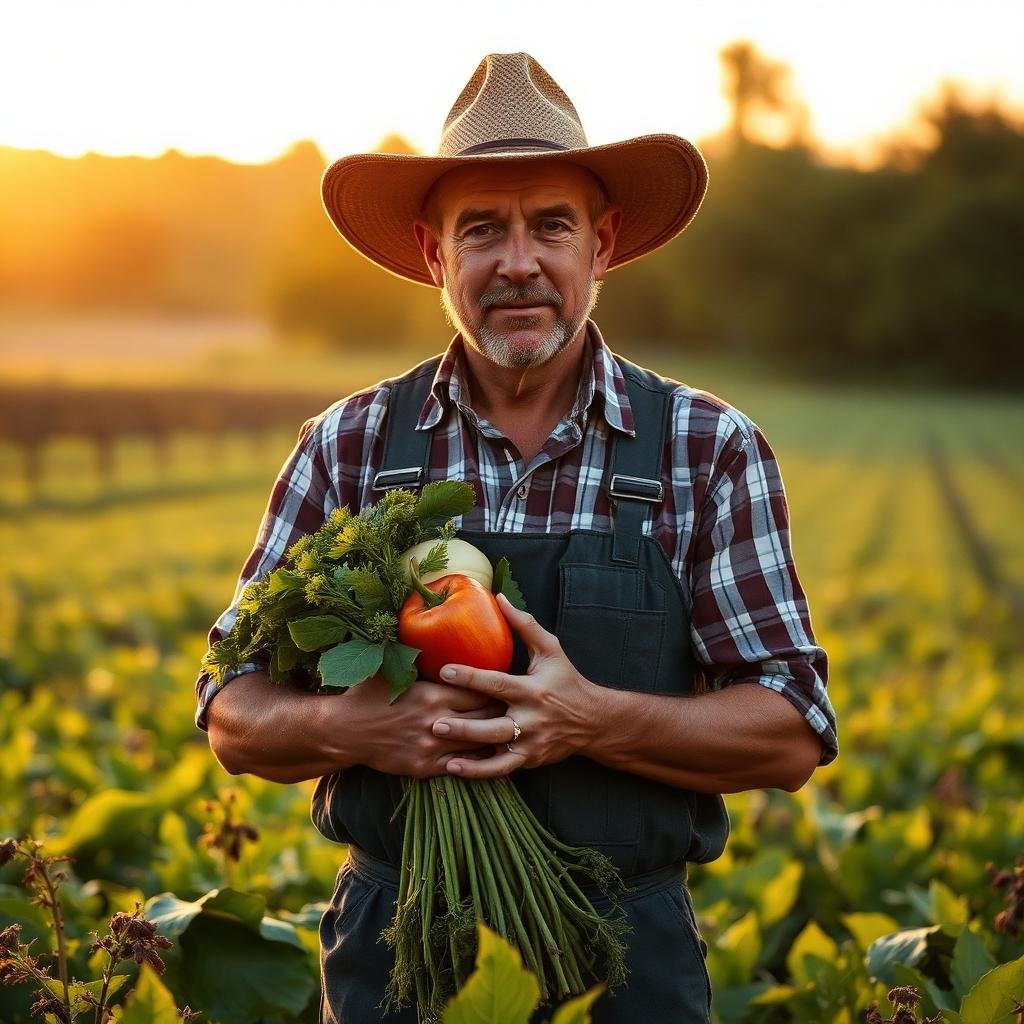
Jonas Hakala's family has farmed the same 180 hectares outside Turku for four generations. When he took over in 2019, the farm was one bad winter away from bankruptcy, locked into contracts with two supermarket chains that dictated everything from planting schedule to price per kilo.
In seven years, Hakala has rebuilt the business from the ground up. He fired both supermarkets. He built a direct-to-restaurant channel, then a direct-to-home box scheme, then a small on-farm shop that now generates more revenue per square metre than a downtown grocer.
Every middleman I removed was a farmer's daughter I got to send to university.
The margins are unrecognisable from the old model. The farm employs eleven people year-round, all of them from the region. His neighbours — most of them still trapped in the same contracts he escaped — have started coming to him for advice.
In 2026, Hakala's model is being copied across Scandinavia and the Baltic. The lesson he keeps repeating is not agricultural. It is commercial: the moment a producer stops selling their harvest and starts selling their story, the entire economics of the field change.