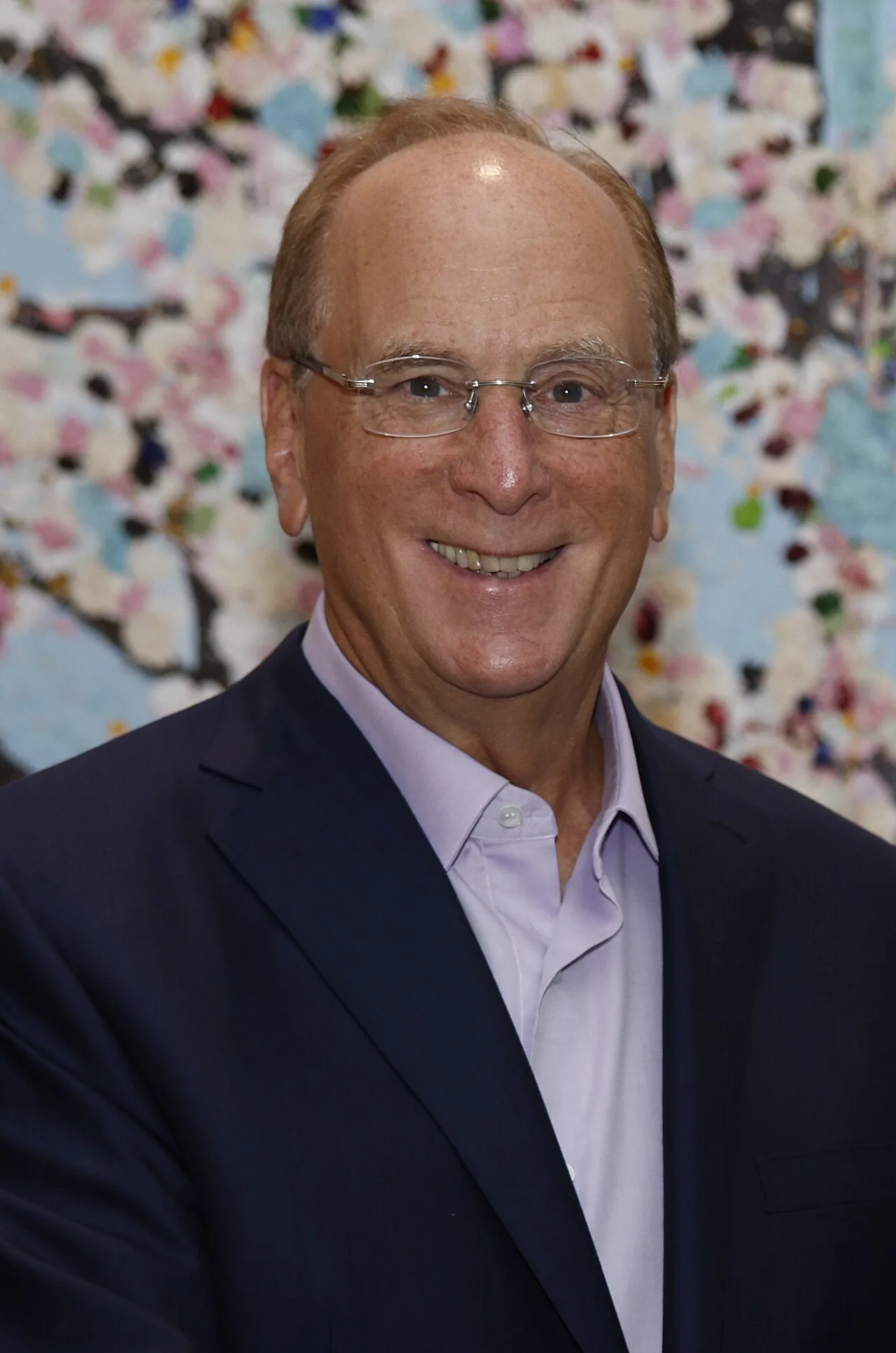
Larry Fink co-founded BlackRock in 1988. It is now the largest asset manager on earth, holding trillions of dollars for pension funds, governments and ordinary savers who have mostly never heard of it.
Two things built that. Low-cost index investing, sold through iShares exchange-traded funds, which changed how the world buys stocks. And Aladdin, the risk-management platform that much of the financial industry — including BlackRock's competitors — now runs on.
When the largest shareholder in thousands of companies speaks, boards everywhere are forced to listen.
Scale of that kind is political whether or not anyone intends it to be. BlackRock is a major shareholder in thousands of public companies, so what it says about governance and strategy lands with force in boardrooms, and has made Fink a target for people who resent that.
His annual letters used to be about long-term value and stakeholder capitalism. They became battlegrounds in a wider argument about what finance is for. Whichever way that argument settles, his firm sits at the centre of how the modern world invests.
Fink grew up in Van Nuys, California, and studied political science and then business at UCLA. He joined First Boston in 1976 and became one of the pioneers of the US mortgage-backed securities market. In 1986 his desk lost about 100 million dollars on a wrong call on interest rates, an experience he has said convinced him that risk management had to sit at the core of any investment business.
BlackRock started inside Blackstone, separated in the mid-1990s and listed in 1999. The deal that changed its scale came in 2009, when it bought Barclays Global Investors, including the iShares business, for about 13.5 billion dollars. That gave it a dominant position in exchange-traded funds just as passive investing took off.
During the 2008 crisis the US government turned to BlackRock to value and manage distressed assets from Bear Stearns and AIG, and the Federal Reserve hired it again in 2020 to run emergency bond-buying programmes. The firm has since pushed into private markets and infrastructure, buying Global Infrastructure Partners in 2024.