
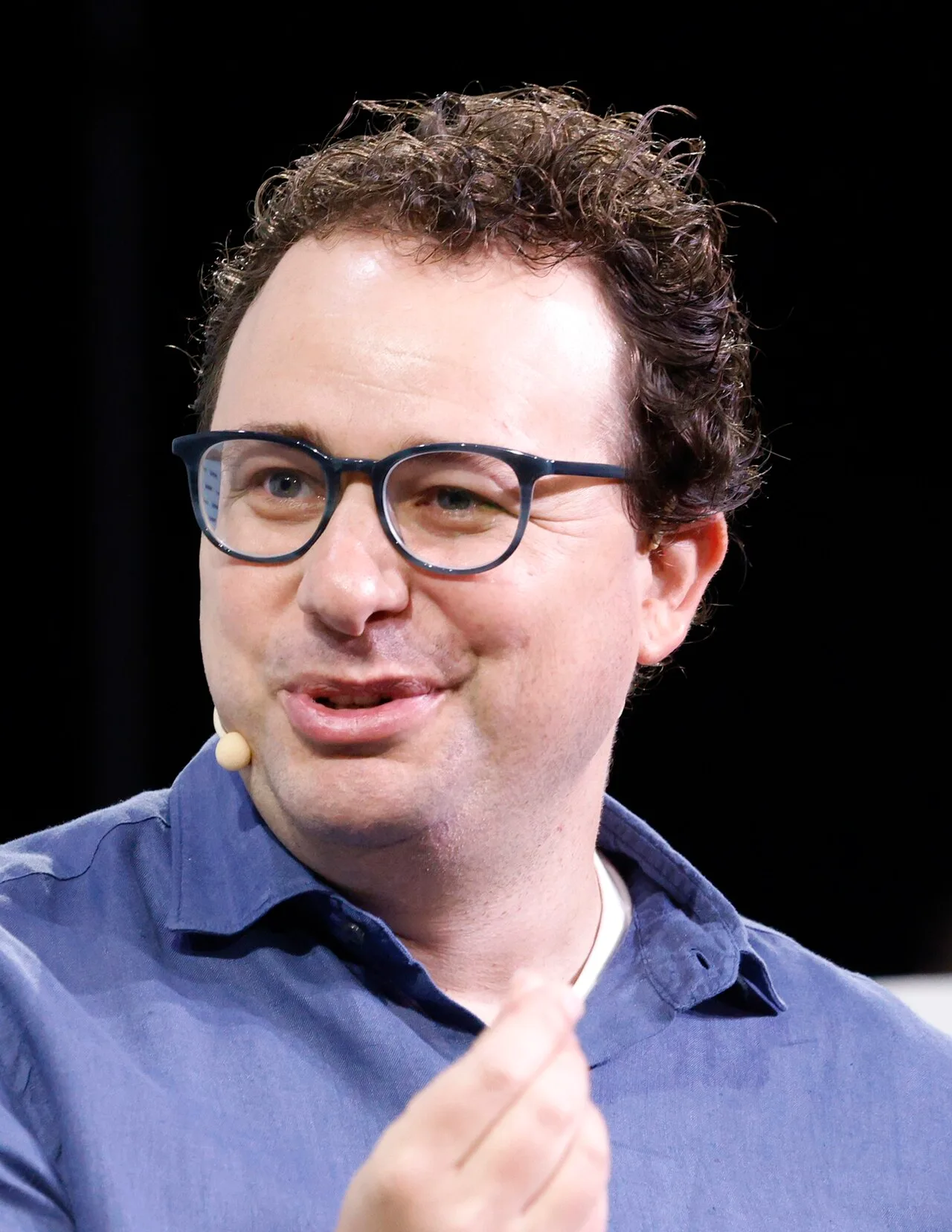
A physicist by training who ran research at OpenAI, Dario Amodei left in 2021 and took colleagues with him. Anthropic was the result — a company started on the premise that safety and reliability belong in the design of advanced AI rather than in a policy document beside it.
It built the Claude family of assistants and became one of the handful of frontier labs that matter, pulling in major investment as the competition between them sharpened.
The wager is that you can be at the frontier and be careful — that speed and safety need not be enemies.
He argues in public, and consistently, about the risks and governance of powerful systems. The position is not that the technology should be slowed for its own sake. It is that benefits this large demand unusual caution, real transparency, and continued research into how the models actually behave.
The bet underneath the company is that you can sit at the frontier and still be careful. Whether that survives sustained commercial pressure is one of the open questions of the era, and nobody yet knows the answer — including him.
Amodei studied physics at Stanford and took a PhD in biophysics at Princeton, then did postdoctoral work at Stanford's medical school before moving into machine learning. He worked at Baidu and Google Brain before joining OpenAI in 2016, where he rose to vice-president of research and helped lead the work on its GPT-2 and GPT-3 language models.
He co-founded Anthropic with his sister, Daniela Amodei, who became its president, and several former OpenAI colleagues. The company is structured as a public benefit corporation, and in 2023 it published a Responsible Scaling Policy that ties its safety commitments to the capabilities of its models. Amazon and Google have both made multibillion-dollar investments in it.
Amodei set out the optimistic half of his argument in a long 2024 essay, Machines of Loving Grace, which described how powerful AI could speed up progress in biology, medicine and economic development. Anthropic's research on interpretability, which tries to understand what is happening inside a model, and its method of training models against a written set of principles, known as Constitutional AI, are the practical form of his view that capability and safety research have to advance together.