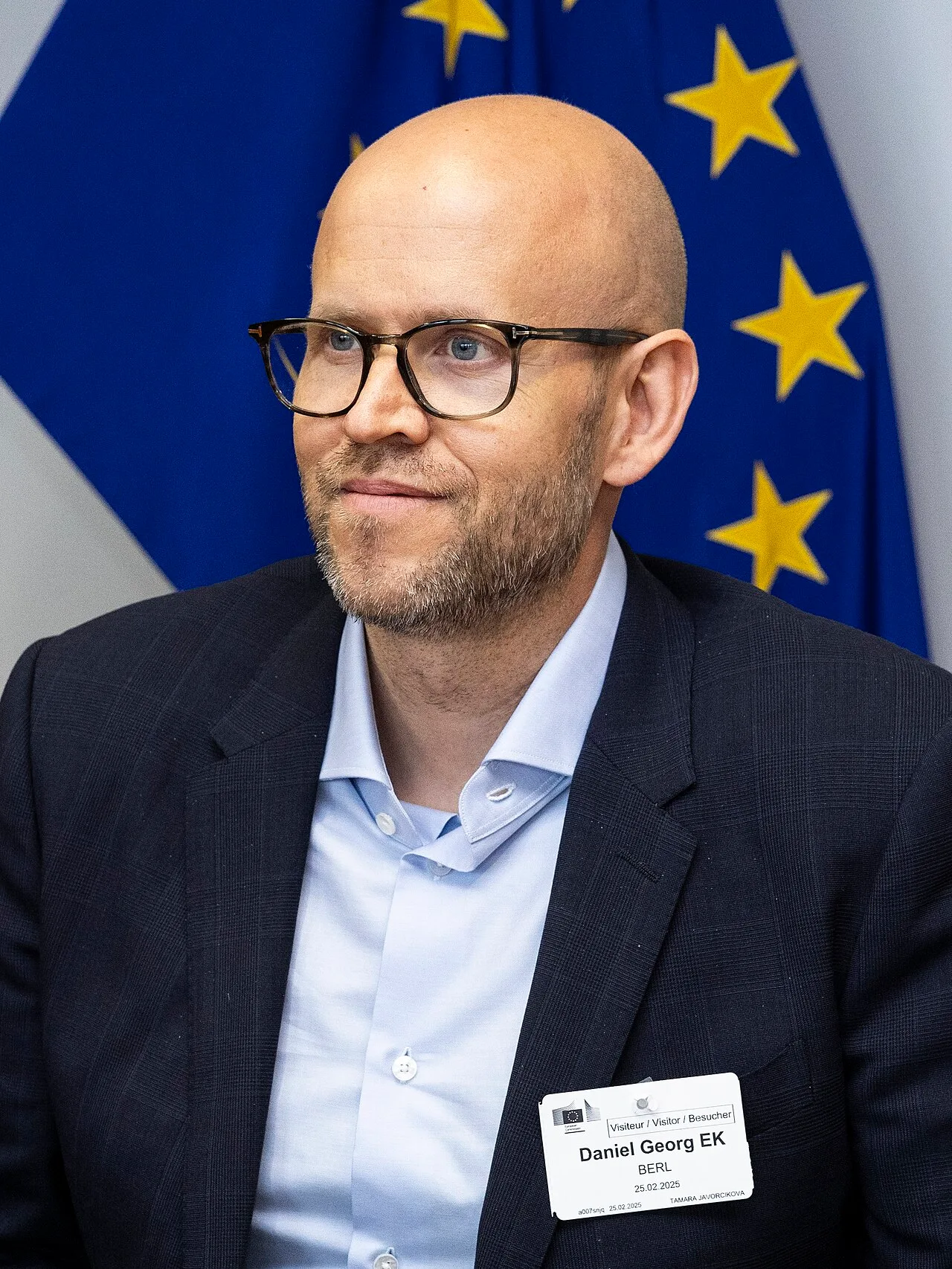
Piracy was hollowing out the music industry when Daniel Ek co-founded Spotify in Sweden in 2006. His bet was unfashionable and correct: people were not stealing music because it was free, but because free was easier. Make legal listening more convenient than theft and they come back.
Spotify became the largest music-streaming platform in the world. It normalised paying a monthly fee for everything ever recorded, and it made the personalised playlist the way most people now find anything new.
His pitch to a wary industry was simple: convenience can beat piracy, if you make it good enough.
None of that was smooth. Years of tense negotiation with labels and artists over royalties followed, because streaming rebuilt the industry's economics from the ground up and not everyone came out ahead. He pushed hard into podcasting and audio besides.
He built a global technology champion from outside Silicon Valley, which makes him one of Europe's most prominent founders. Streaming stopped being an experiment somewhere along the way and became simply how the world listens.