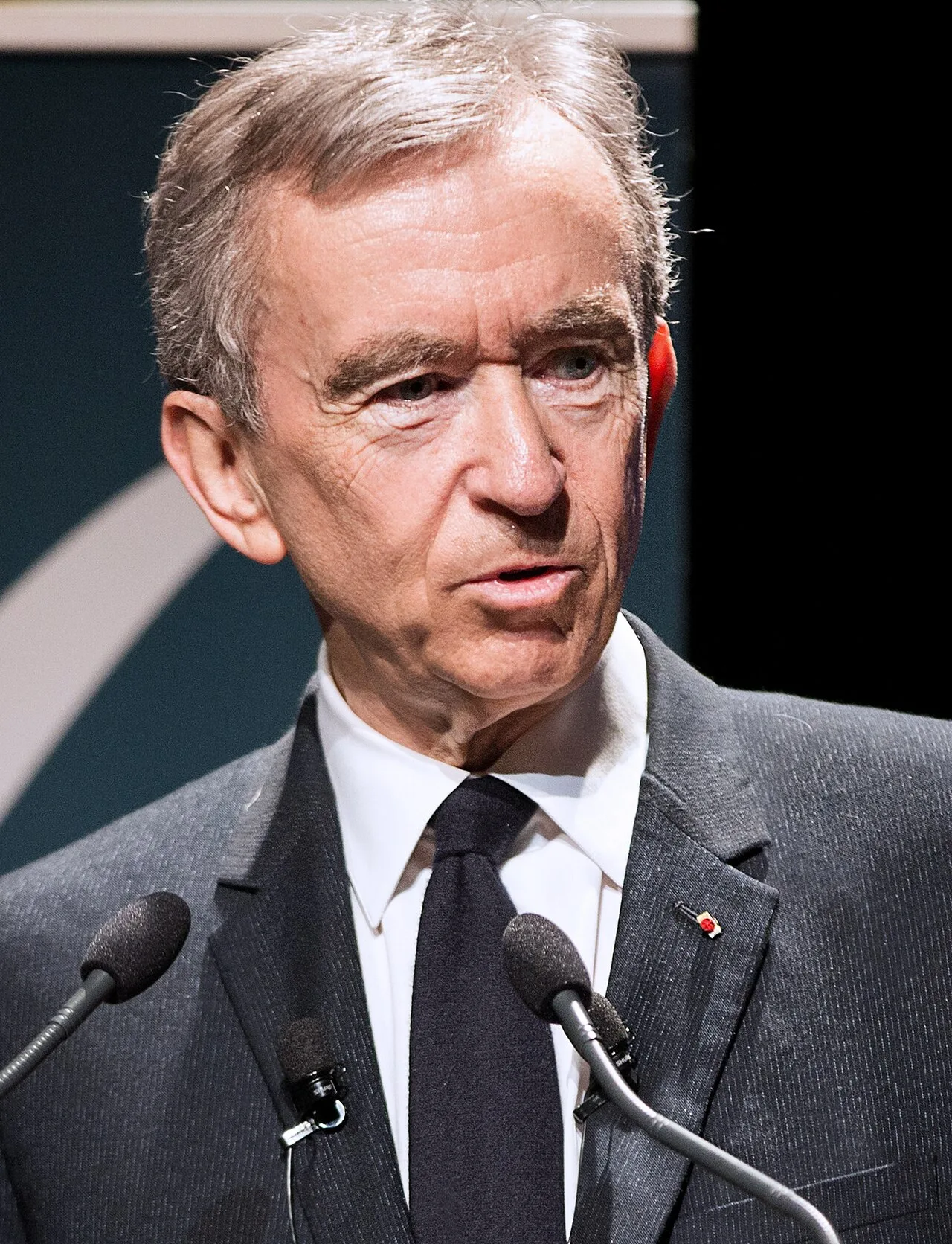
Dozens of houses, one owner. Fashion, leather goods, champagne, watches, jewellery, cosmetics — Bernard Arnault assembled LVMH into the largest luxury group in the world, and for stretches one of the most valuable companies in Europe.
The insight was counterintuitive at the time. Heritage brands could scale far past their artisanal origins without losing the aura that made them expensive, provided somebody managed the tension deliberately. So he put creative directors and disciplined operators in the same room, spent enormous sums on desirability, and kept tight control of distribution. Scarcity is manufactured too.
Luxury is the rare business where scarcity and scale must coexist. Arnault made them serve each other.
Getting there took decades of acquisitions, some of them conducted with a ruthlessness the industry still discusses. Scattered maisons became a coordinated portfolio. The Tiffany & Co purchase was the exclamation mark.
Now the family. Arnault has placed his children across the business, which makes this the most closely watched dynastic handover in global commerce. The open question is whether a machine built to industrialise craft can keep the craft intact once the person who balanced both is gone.