
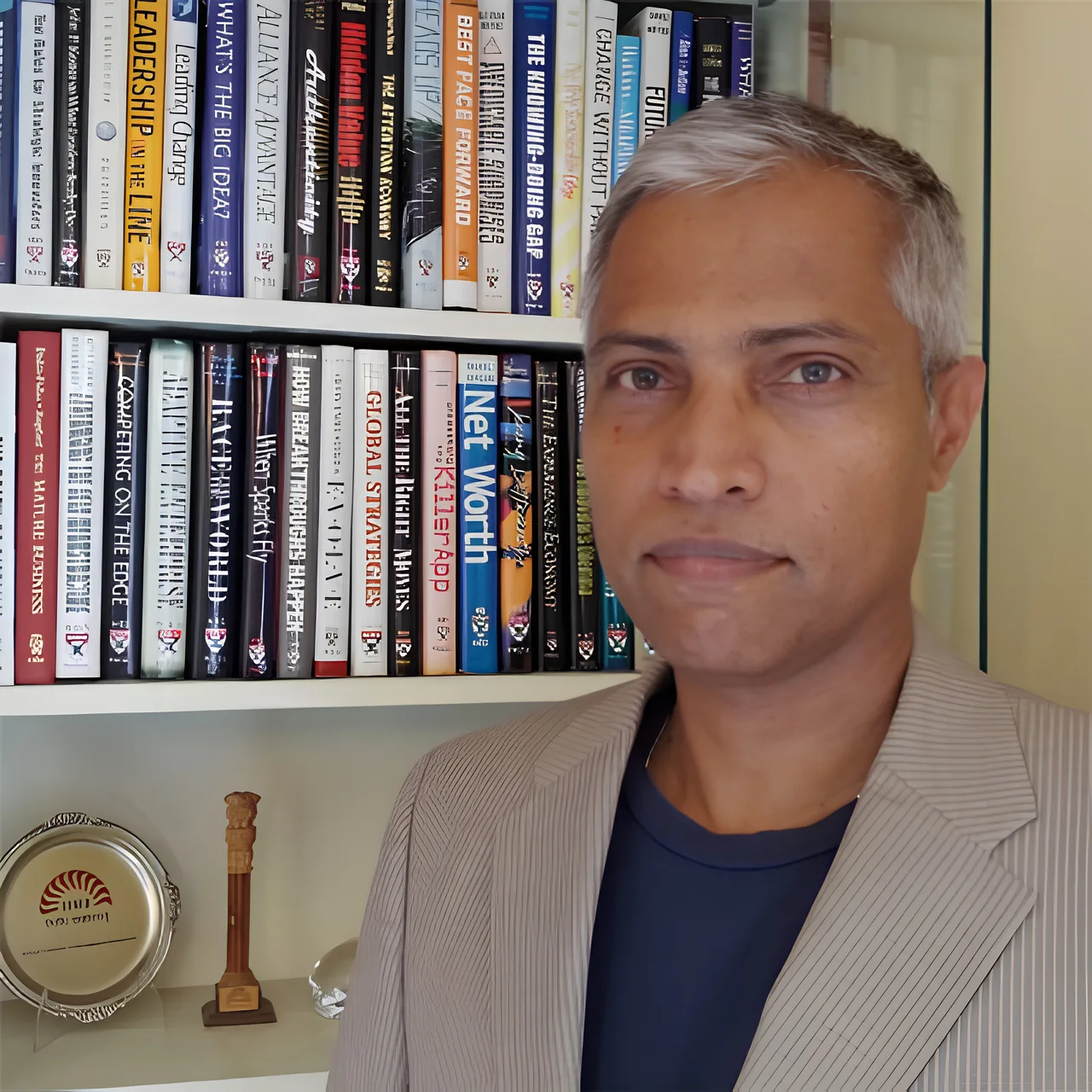
A wastewater problem in his Whitefield residential community pushed Tharun Kumar to rethink conventional sewage treatment. Systems that rely on electricity, machinery and regular maintenance can be difficult to operate consistently. He began looking for a simpler process and found an unlikely model in natural digestion. That line of inquiry became ECOSTP Technologies.
Learning from biological systems
Microorganisms in a cow's digestive system break down organic material through biological activity. Working with engineers and environmental specialists, Tharun explored whether similar principles could inform wastewater treatment. The October 2026 issue describes ECOSTP's multi-stage approach, in which gravity moves water through a system while microorganisms help break down waste. The design aims to reduce electricity use and avoid routine chemical treatment.
ECOSTP was established in 2017, with Tharun as founder and CEO and Lokesh Rajashekaraiah as co-founder, according to the profile. Its systems target decentralised uses such as residential communities, institutions and commercial developments. Treated water may be reused for gardening or other permitted non-drinking purposes, provided applicable local standards and testing requirements are met.
From neighbourhood concern to circular-economy work
The magazine reports that ECOSTP won the Circular Economy Innovator Award at National Startup Awards 5.0. The recognition reflects a wider change in thinking about water after use: it does not disappear when it enters a drain. Treatment affects rivers, communities and the demand placed on freshwater supplies. Long-term operation and maintenance remain essential to real environmental benefit.
The idea is especially relevant where a large central network is unavailable or difficult to expand. A local treatment system can make wastewater management more visible to the community using it. That visibility brings responsibility: performance must be monitored, treated water must be used appropriately and the system must be maintained over time. The biological process is an engineering method, not a reason to skip those checks.
Tharun's path began with a local problem, then widened into a business built around nature-inspired engineering. Read his October edition profile for the story in print.