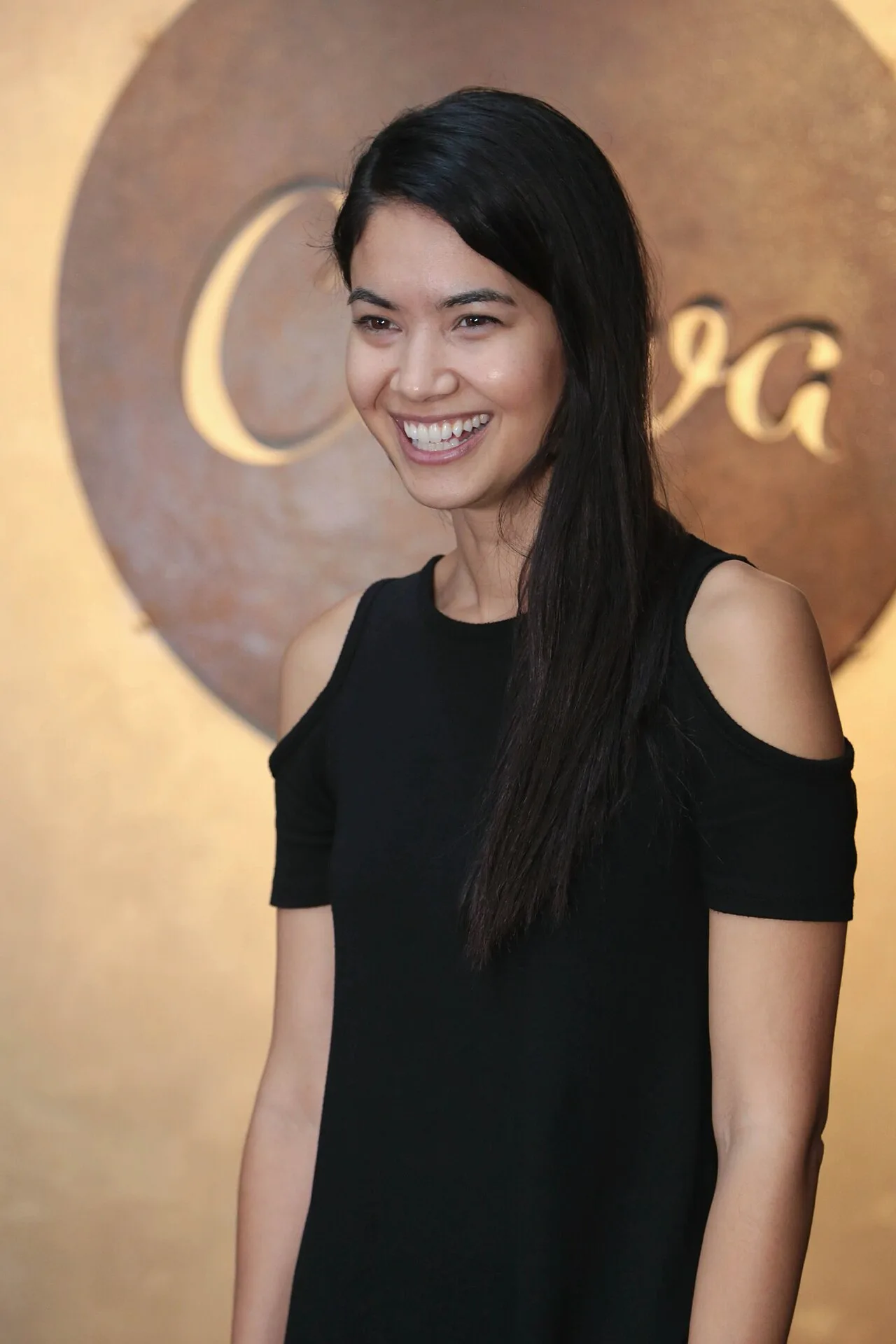
Design software used to require training and an expensive licence. Melanie Perkins co-founded Canva in 2013 to remove both, and she did it from Australia — a long way from the investors who fund this sort of thing.
They said no for years. More than a hundred times, by her own count. Then the browser-based tools found their audience, and the audience turned out to be hundreds of millions of people, from individuals making a poster to enterprises running brand systems.
She heard no from investors more than a hundred times before the idea became one of software's biggest wins.
Canva is now among the most valuable private software companies in the world, still founder-led, with a product range that has widened well past design into visual communication and collaboration generally.
She is the standard example cited for two things: that a global technology company can be built outside the usual hubs, and that rejection is data about the investor rather than the idea. The stated plan for the wealth is philanthropy at a scale to match the company.
Perkins grew up in Perth and was teaching design software to fellow students at the University of Western Australia when she saw how hard they found it. Her first business, Fusion Books, built with her partner Cliff Obrecht, offered simple online tools for designing school yearbooks. Cameron Adams, a former Google engineer, later joined them as Canva's third co-founder.
Early backing came after she met the investor Bill Tai in Silicon Valley, and later from backers including the actors Owen Wilson and Woody Harrelson. Canva launched in 2013 and became profitable within a few years, unusual for a venture-backed software company. Its valuation reached 40 billion dollars in 2021 before being marked lower in the tech downturn.
The company has since added presentations, video, whiteboards and AI tools, and in 2024 bought the professional design suite Affinity. Perkins and Obrecht, who married in 2021, have pledged to give away most of their stake in Canva through the Canva Foundation.